
Dental Amalgam and the Minamata Convention: Make Mercury History for All
Mercury is the most toxic non-radioactive element known to humanity, posing serious risks to human health and the environment in all of its forms. As a global pollutant, mercury persists in ecosystems, bioaccumulates through food chains, and causes long-term harm that can span generations. One of the most significant yet overlooked sources of mercury exposure worldwide is dental amalgam.
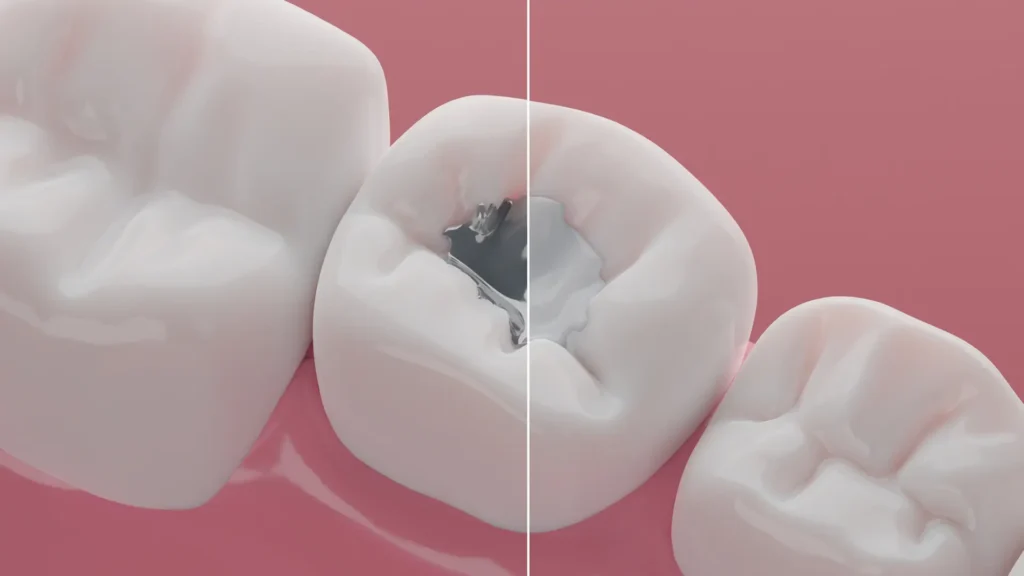
Dental amalgam is approximately 50 percent elemental mercury and has been used in dentistry for nearly two centuries. Despite this, it was never subjected to modern safety testing. Instead, it was grandfathered into use based on historical precedent. Over time, scientific evidence has demonstrated that mercury vapor is continuously released from amalgam fillings and absorbed by the human body.
The Minamata Convention on Mercury
In response to widespread mercury pollution, the Minamata Convention on Mercury was adopted in 2013 and entered into force in 2017. The treaty represents a global commitment to reduce and eliminate mercury use in products and industrial processes. To date, more than 140 countries have ratified the convention under the shared goal to “Make Mercury History.”
While many mercury-containing products such as thermometers, batteries, cosmetics, and lighting have been banned or phased out under the treaty, dental amalgam remains a notable exception. It is the only mercury-containing product listed as a “phase-down” material and the only one intentionally implanted into the human body.
Dentistry’s Contribution to Global Mercury Pollution
The dental sector accounts for hundreds of tons of mercury use each year. Mercury from dental amalgam enters the environment through multiple pathways, including dental office wastewater, sewage sludge, cremation, burial, and improper disposal. Once released, mercury cannot be recovered and continues to circulate indefinitely through air, water, and soil.
An additional concern is the diversion of mercury intended for dental use into illegal markets, particularly artisanal and small-scale gold mining. This sector is the largest global source of mercury pollution and represents a major target of the Minamata Convention’s reduction efforts.
Human Health Implications
Mercury vapor released from dental amalgam is inhaled and readily absorbed into the bloodstream. It can cross the blood–brain barrier and accumulate in organs such as the brain, kidneys, liver, and heart. Numerous studies have linked mercury exposure to neurological disorders, immune dysfunction, cardiovascular disease, reproductive harm, and chronic inflammatory conditions.
Certain populations are especially vulnerable, including children, pregnant women, individuals with impaired kidney or neurological function, and those with specific genetic traits that reduce their ability to detoxify mercury. These risks make the continued use of mercury dental amalgam particularly concerning from a public health perspective.
Global Movement Toward Bans and Phase-Outs
Many countries—across both developed and developing regions—have concluded that the risks of mercury dental amalgam outweigh any perceived benefits. Nations with large populations and limited resources have successfully banned or phased out its use, demonstrating that mercury-free dentistry is feasible regardless of economic status.
The European Union’s decision to implement a total ban reflects a broader international trend toward precaution, prevention, and modernization of dental care. These actions affirm that safer, effective, and affordable alternatives are readily available.
Mercury-Free Dentistry Is the Future
Atraumatic Restorative Treatment (ART), minimal intervention dentistry, and modern biocompatible restorative materials offer durable, cost-effective solutions without the health and environmental risks associated with mercury. These approaches preserve healthy tooth structure, reduce patient trauma, and align with contemporary standards of care.
Continuing to rely on mercury dental amalgam undermines global mercury reduction efforts and contradicts the fundamental goals of the Minamata Convention. As the only mercury-containing product implanted directly into the human body, dental amalgam represents an unacceptable exception.
Conclusion
The scientific, environmental, and ethical case against mercury dental amalgam is overwhelming. Its continued use poses avoidable risks to human health, contributes to irreversible environmental contamination, and delays progress toward a safer, more sustainable model of dentistry.
Achieving the goal to “Make Mercury History” requires decisive action. A complete global ban on mercury dental amalgam is not only possible—it is necessary to protect current and future generations.